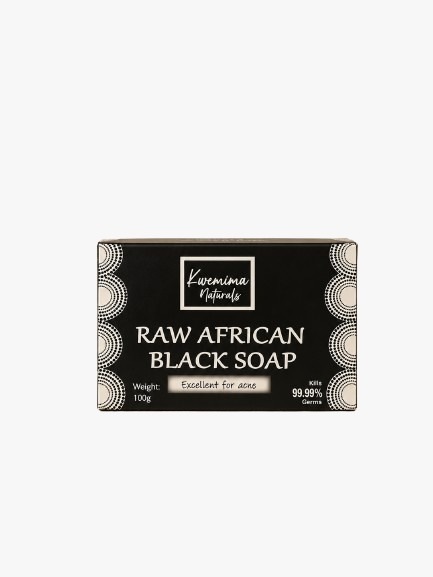
Raw African Black Soap
African black soap has a long history across West Africa, traditionally made by burning plantain skins, cocoa pods, or palm leaves into ash, then combining that ash with oils like palm or coconut oil. The result is a soap that looks nothing like a commercial bar — it’s often dark brown to black, uneven in shape and color, and can vary from batch to batch. That inconsistency is actually a sign of the traditional, handmade process, not a defect.
It’s used as an everyday, gentle cleanser for both face and body, and is popular for normal daily washing as well as for people dealing with oilier or more reactive skin, since it tends to cleanse without the heavy, stripping feel of some commercial soaps.
How to use it:
Wet the bar and your skin, then rub the soap directly between your hands or against your skin to build a lather — it may lather less than commercial soap, which is normal for a traditional, minimally processed bar. Massage gently over face or body, then rinse thoroughly with warm water. Because raw black soap can be slightly more alkaline than heavily processed soaps, it’s worth doing a small patch test first if you have very sensitive skin.
A few honest notes:
Expect natural variation in color, shape, and scent between batches — this isn’t a mass-produced, standardized product. Keep it in a dish that drains well between uses, since traditional black soap can soften and dissolve faster than commercial bars if left sitting in water.